00 · A research initiative
AI forpublic goods,impact evaluation &allocation.
AI4PG is a research initiative on mechanism design for public-goods funding, impact evaluation, and resource allocation. We convene mechanism designers and algorithmic economists with practitioners from impact evaluation, humanitarian finance, digital public infrastructure, and open source.


ETH Zurich · Jul 2026 & Columbia · Sep 2026
Open problems in mechanism design for public goods.
$100K to winning proposals, $50K for reviewer work.
Funders, labs, foundations and OS commons.
A publication on the design of allocation mechanisms.
Winners announced · 202601 · Workshop · ETH Zurich 2026
CONCLUDEDDecision sovereignty for nature.
A full-day workshop at ETH Zurich on governing and funding the commons in an AI era. As algorithmic models steer conservation investment and AI-driven pipelines feed international biodiversity policy, an old question resurfaces: who holds authority over how nature is monitored, valued, and governed?
On 22 July, researchers, technologists, funders, and policy practitioners worked through decision sovereignty over nature-related public goods, from biodiversity data and digital sequence information to finance mechanisms, and what it means for equity, self-determination, and accountability.
Timed ahead of COP17, the workshop worked toward two concrete outputs: a joint declaration on decision sovereignty, finance, and equity for nature-related public goods, and a policy brief feeding directly into CBD deliberations on AI, DSI, and biodiversity governance.
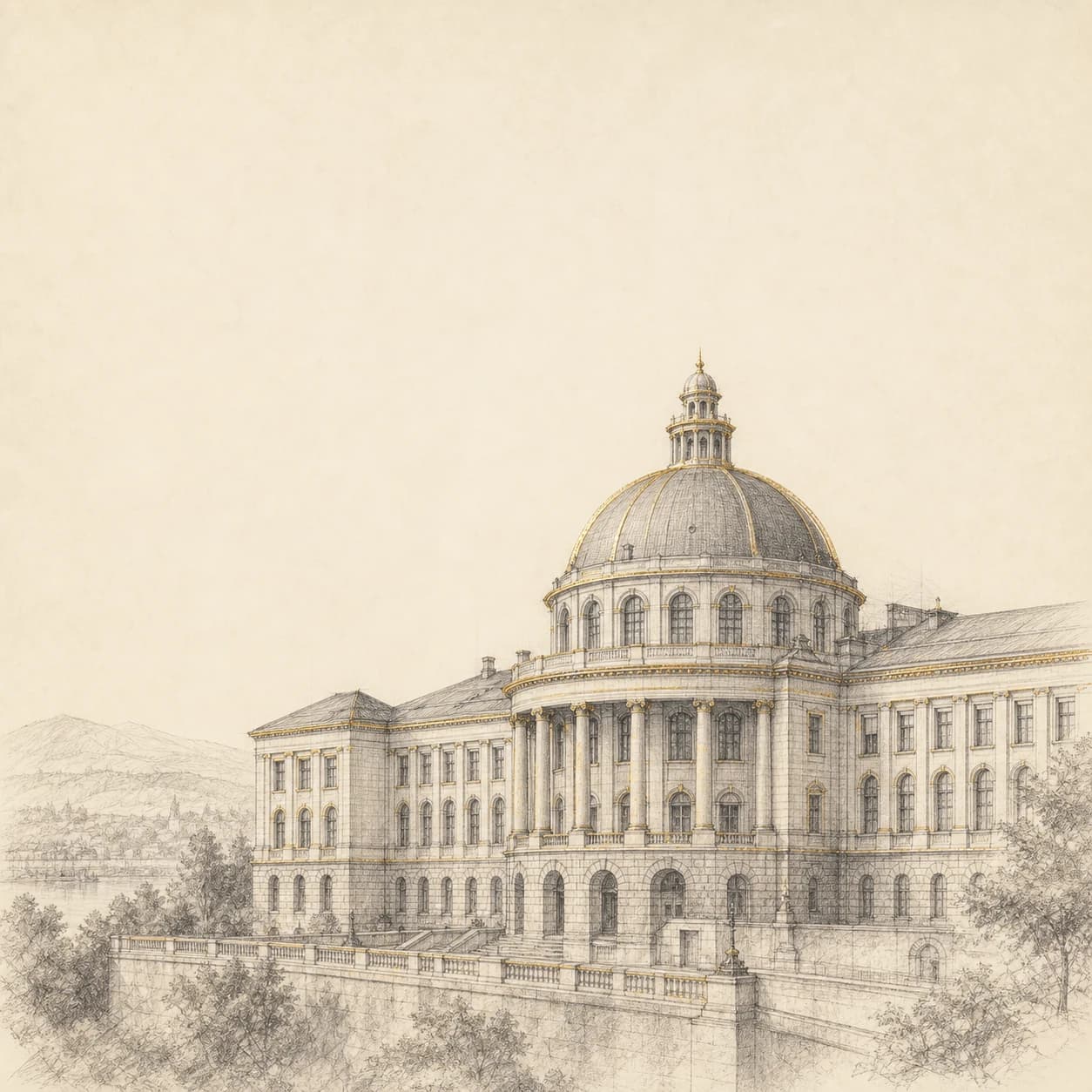
Decision Sovereignty for NatureGoverning & Funding the Commons in an AI Era
- 01Authority over biodiversity data
- 02Digital sequence information
- 03AI-mediated conservation finance
- 04Sovereignty & accountability
Date
22 Jul 2026
Venue
ETH Zurich · ETH AI Center
Organizers
Dao · Chapman · Buisson
02 · Grants · AI4PG 2026
WINNERS$150,000 in grants for research on public-goods funding.
The 2026 call for proposals closed on February 27. Submitted proposals were reviewed between March 1 and April 17, followed by a rebuttal phase. Eleven winning proposals have now been announced, with $100,000 awarded across the slate ($50,000 more funds reviewer work). Submissions and reviews are managed on OpenReview.
Supported by GainForest, Octant, Ethereum Foundation, Gitcoin, Funding the Commons, Hypercerts, Protocol Labs, and PL Research.
$150k.
Total pool
12.
Research areas
7.
Organizers
Programme timeline
- OCT 2025Reviewer call opened
- NOV 2025Reviewer applications closed
- NOV 2025Proposal call opened
- FEB 2026Submissions closed
- MAR 2026Review phase began
- APR 2026Rebuttal phase
- JUL 10, 2026Winners announced · 11 proposals
03 · Research threads
Four open problems.
The workshop and the grants programme converge on a structured map of open problems in the design of allocation mechanisms for public goods, under realistic assumptions about evaluator capacity, measurement error, and strategic behaviour.
Thread 01
Ex-ante versus ex-post allocation
What are the comparative properties of prospective allocation mechanisms (including quadratic and matching-fund designs) versus retrospective, impact-based reward mechanisms, under realistic assumptions about evaluator capacity, measurement error, and strategic behavior?
Read threadThread 02
Impact evaluation at scale
How should the outcomes of funded work be measured, attributed, and rewarded when the volume of funded projects grows faster than the supply of qualified evaluators? What mechanisms can credibly distinguish impactful work from plausible-looking work, especially when results unfold over years?
Read threadThread 03
Evaluation under AI-mediated contribution
How should provenance, attribution, and reviewer effort be incorporated into allocation mechanisms when a growing share of submitted material is machine-generated? What mechanisms can preserve informativeness when the cost of producing plausible submissions approaches zero?
Read threadThread 04
Broad listening and collective input
Tools like Polis, Talk to the City, and Kouchou AI use language models and clustering to read free-form input from thousands of citizens, contributors, and beneficiaries. How should that input feed into allocation mechanisms, so that funding decisions track what affected communities actually say while staying incentive-compatible, legitimate, and auditable?
Read thread
04 · Field notes
Working artifacts.
Visual timelines, infographics, essays, slide decks and embedded prototypes that sit alongside the formal research threads, published as we go.
05 · Organizers & collaborators
Built by researchers.
A coalition of mechanism designers, algorithmic economists, and programme managers across Columbia, ETH Zurich, HEC Paris, Cornell Tech, Zurich, Funding the Commons, and Protocol Labs.
ETH Zurich workshop
- Dr. David Daogainforest.earth · PL R&D
- Prof. Millie ChapmanETH Zurich
- Kim BuissonFunding the Commons
Columbia workshop
- Prof. Lily XuIEOR, Columbia · Co-director, EAAMO
- Dr. David Daogainforest.earth · PL R&D
Grants
- Dr. David Daogainforest.earth · PL R&D
- Sejal RekhanPROTOCOL LABS
- Sarah TariqUniversity of Zurich
- Dr. Livia KalossakaHEC Paris · CDL
- Dr. Maria João SousaCornell Tech · CCAI
- Prof. Lily XuIEOR, Columbia · Co-director, EAAMO
- Prof. Millie ChapmanETH Zurich
06 · Supporters
AI4PG is supported by a coalition of public-goods funders, research labs, and open-source foundations.







Get in touch